

Cultural influences shaping modern perceptions of gambling around the world
Historical Context of Gambling
The roots of gambling can be traced back thousands of years, with evidence of games of chance appearing in ancient civilizations such as China, Rome, and Greece. These early forms of gambling often revolved around social rituals, community gatherings, and even religious ceremonies, revealing a deep cultural significance. Over time, as societies evolved, so did the perception of gambling, shifting from a community-centric activity to one that is often viewed with suspicion and moral concern. Australian players can find a secure environment at the neosurf casino, which allows for engaging real money gambling without compromising their security.
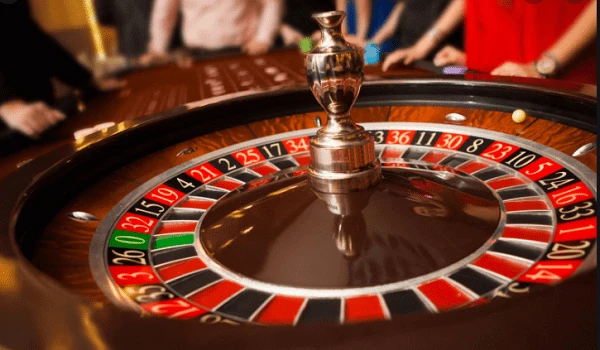
In many cultures, gambling has historically been associated with fortune-telling and divination, which adds a mystical layer to its perception. For instance, in ancient China, the casting of dice and drawing of cards were often linked to fortune and destiny, allowing individuals to feel a sense of control over their futures. This historical intertwining of gambling with cultural beliefs continues to shape modern attitudes, especially in societies that still value ancestral traditions.
Moreover, the rise of casinos and betting houses in the 18th and 19th centuries marked a significant transformation in the perception of gambling. Regions like Europe and the Americas witnessed a surge in gambling establishments, which were often depicted as centers of vice and debauchery. This duality of gambling as both a source of entertainment and a potential moral hazard continues to influence how modern societies view gambling today.
Regional Variations in Gambling Culture
Different regions around the world have unique cultural influences that shape their gambling perceptions. In places like Las Vegas, the perception of gambling is heavily commercialized, promoting it as a glamorous and entertaining lifestyle. The portrayal of Las Vegas in movies and media contributes to its image as a gambling paradise, encouraging tourism and participation in gambling activities. This perception contrasts sharply with regions where gambling is frowned upon or strictly regulated, demonstrating how geography plays a role in cultural attitudes.
In contrast, many Asian countries have a more nuanced relationship with gambling, rooted in cultural traditions and social norms. For example, in countries like Singapore and Macau, gambling is celebrated as a form of entertainment and a key economic driver. These places have embraced a more modern, regulated approach to gambling, promoting responsible gaming while capitalizing on its potential for tourism and revenue generation. This acceptance demonstrates how cultural values can shape and even normalize gambling behaviors in certain contexts.
Furthermore, indigenous cultures also influence perceptions of gambling in various parts of the world. For instance, in Native American communities, casinos have become a means of economic empowerment and cultural preservation. Many tribes view gambling as a way to reclaim sovereignty and generate funds for community development. This perspective diverges from the mainstream view of gambling as simply a pastime, highlighting how cultural heritage and identity can influence modern perceptions.
The Impact of Technology on Gambling Perceptions
Technological advancements have dramatically altered the gambling landscape, shifting perceptions and access in unprecedented ways. The rise of online gambling platforms has made it easier for individuals to engage in betting from the comfort of their homes. This convenience has led to a normalization of gambling, with many viewing it as an integral part of modern entertainment rather than a vice. However, this shift has also raised concerns about addiction and the potential for financial ruin.
Mobile gaming applications further exemplify how technology influences gambling perceptions. With the ability to play anywhere at any time, younger generations are increasingly involved in gambling activities, often blurring the lines between gaming and gambling. This fusion of experiences can create a perception that gambling is a harmless leisure activity, downplaying its potential risks and leading to discussions about responsible gaming practices.
Moreover, social media plays a significant role in shaping perceptions of gambling. Platforms often serve as marketing tools for online casinos and betting sites, targeting younger audiences with advertisements that portray gambling as glamorous and exciting. The viral nature of social media can amplify both positive and negative narratives surrounding gambling, impacting how individuals, especially the youth, perceive its risks and rewards.
Legal and Regulatory Frameworks
The legal status of gambling varies dramatically from one country to another, significantly influencing cultural perceptions. In some nations, gambling is heavily regulated or outright banned, leading to a perception that it is inherently dangerous or immoral. Countries like Saudi Arabia and Afghanistan maintain strict prohibitions on gambling, which shapes the public’s attitude toward it as a taboo subject, steeped in moral and religious implications.
Conversely, nations that have embraced legal gambling often promote it as a regulated, safe form of entertainment. For instance, in countries like Canada and many European nations, legislation allows for licensed casinos and online betting platforms, which can create a sense of legitimacy and acceptance. These regulatory frameworks serve to educate the public on responsible gambling and ensure consumer protection, ultimately fostering a more positive perception.
In addition, the emergence of public health campaigns aimed at responsible gambling has played a crucial role in shaping perceptions. Many governments and organizations are now actively working to reduce the stigma associated with gambling addiction, promoting awareness and support for those affected. This shift in focus from prohibition to regulation and education reflects a broader cultural change towards understanding and accepting gambling as part of modern society.
Exploring the Casino Culture
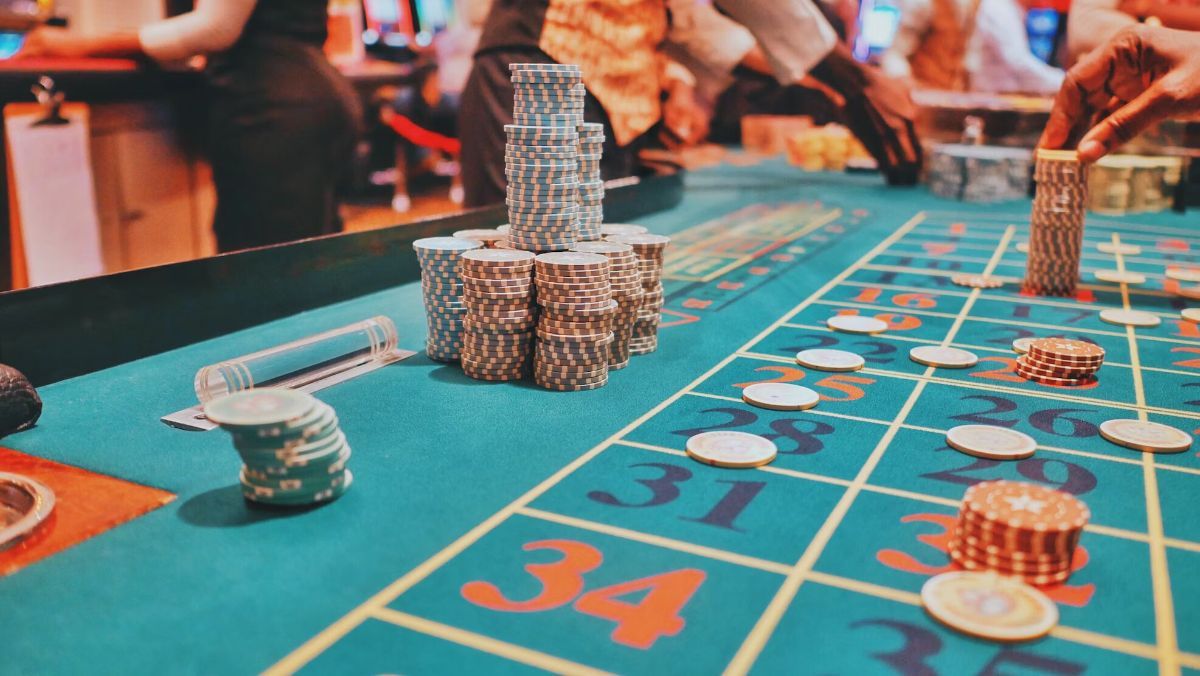
The casino culture has become a phenomenon that transcends geographical boundaries, influencing how gambling is perceived worldwide. This culture is marked by its emphasis on luxury, entertainment, and social interaction, making it an appealing destination for many. Casinos often offer a range of experiences, from high-stakes games to lavish shows, which can create a perception that gambling is an elite pastime. This association with glamour and exclusivity can attract diverse demographics, shaping their understanding of gambling.
Furthermore, the concept of casino tourism has emerged, drawing millions to destinations renowned for their gambling facilities. Cities like Las Vegas and Macau have successfully branded themselves as entertainment hubs, where gambling is just one aspect of a broader tourism experience. This phenomenon has led to a cultural acceptance of gambling as part of the leisure economy, highlighting its role in modern consumer culture.
However, the casino culture also faces challenges, such as the need for responsible gaming practices and addressing problem gambling. As more people engage with gambling activities, it becomes essential to promote awareness about the risks involved. This duality in the casino experience—where excitement meets the potential for addiction—continues to shape modern perceptions, as society grapples with the complexities of gambling within a cultural context.