


Horse racing is a sport that has captivated audiences for centuries. With its rich history and thrilling events, it continues to be a beloved pastime around the globe. This sport is not just about speed and competition; it also encompasses the culture, community, and economic aspects that make it a unique experience for everyone involved. To delve deeper into the vibrant world of horse racing, it’s essential to focus on the factors that help keep the sport unblocked by limitations, showcasing how various elements contribute to its ongoing appeal. You can explore more about the mounted police’s role in maintaining this enchanting environment at horse racing not blocked by GamStop https://merseysidepolicemounted.uk/.
Historical Background of Horse Racing
Horse racing dates back to ancient times, with records showing races conducted in Greece, Rome, and Egypt. Over the years, the sport has evolved, integrating various forms and styles, such as flat racing, jump racing, and harness racing. Each variation offers unique challenges and engages different types of audiences.
The modern era of horse racing has been influenced by innovation in training methods, breeding, and technology. Today, we witness an array of events from prestigious Derby races to local meets, all contributing to the sport’s vibrant tapestry.
The Economic Impact of Horse Racing
Horse racing serves as a significant economic engine, providing jobs and revenue across numerous sectors, including agriculture, tourism, and entertainment. Tracks across the world contribute substantially to local economies by attracting visitors, creating jobs in various fields, and generating tax revenue for local governments. From stable hands and trainers to betting shops, the industry supports tens of thousands of jobs.
Moreover, horse racing events attract sponsorship from large brands, which further increases the financial health of the sport. These sponsorships help maintain the quality of events and ensure that they remain competitive and engaging for fans.
Barriers to Accessibility in Horse Racing
While horse racing provides many benefits, there are challenges that can block potential participants and spectators. Accessibility often serves as a barrier, with some individuals unable to engage with the sport due to financial constraints, geographical limitations, or lack of awareness about racing events and opportunities.
To mitigate these barriers, various initiatives have been launched. For instance, community outreach programs, educational workshops, and partnerships with local schools are designed to familiarize a wider audience with the sport. Additionally, some racing events offer reduced ticket prices or free admission for families to encourage attendance.
Keeping Horse Racing Unblocked by Regulation
Governance plays a critical role in horse racing, and while regulation is necessary to ensure fair play and safety, excessive regulation can serve to stifle the sport’s growth. Organizations governing horse racing have been focused on finding a balance that allows the sport to thrive while still protecting the horses and participants.
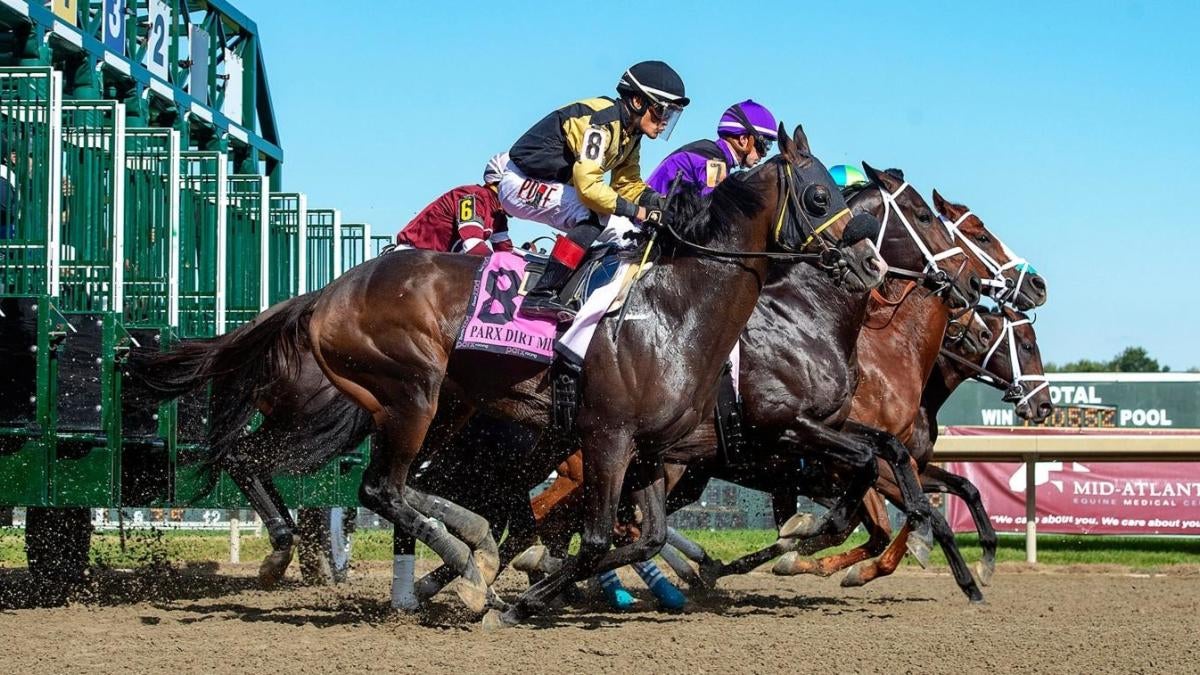
This balance can be achieved through constructive dialogues amongst stakeholders—not just racing authorities, but also owners, trainers, and fans. Advocacy for clear and fair rules can foster an environment where everyone feels their voices are heard and that the sport remains dynamic.
The Role of Technology in Horse Racing
Innovation has become a vital aspect of horse racing in the modern age, particularly with advancements in technology. From using data analytics to optimize training regimens to implementing improved tracking systems during races, technology has reshaped the landscape of this sport.
Moreover, mobile applications that provide real-time information on horses, odds, and results have made the sport more accessible to a wider audience. Fans can engage with racing from anywhere, keeping the excitement alive and unblocked by traditional barriers.
Inclusivity and Diversity in Horse Racing
Encouraging inclusivity and diversity within horse racing is crucial for its sustainable growth. Engaging underrepresented communities not only broadens the fan base but also taps into a wealth of untapped talent, whether that be riders, trainers, or owners.
Programs and initiatives aimed at promoting diversity in horse racing help break down socioeconomic barriers and create opportunities for individuals from various backgrounds. By actively embracing change, horse racing can become a more welcoming and diverse sport, enriching its community and ensuring it remains vital for years to come.
Horse Racing as a Community
More than just a sport, horse racing embodies a sense of community among fans, participants, and industry professionals. Race days become social events where people come together to celebrate their shared passion. The spirit of camaraderie and support uplifts the racing community, fostering connections that often last a lifetime.
From social media groups to local racing clubs, enthusiasts find ways to connect, engage, and support one another. This sense of unity helps create an environment where the sport can thrive, remaining vibrant and lively—not blocked by negativity, but enhanced by collaboration.
Conclusion
Horse racing continues to be a flourishing sport that embraces tradition while adapting to modern advancements. By addressing barriers to accessibility, governance, technological advancements, and inclusivity, the sport can maintain its exhilarating essence unblocked by limitations. As we look ahead, it is essential for all stakeholders to work collaboratively to ensure that horse racing remains an accessible and dynamic sport, where every participant can feel the thrill of the race. Whether you’re a seasoned fan or a newcomer, the world of horse racing holds the potential for endless excitement and opportunity.
In conclusion, the magic of horse racing lies not only in the speed of the horses but also in the community and economy it fosters, proving that this sport can thrive unblocked by obstacles, welcoming all who wish to partake in the thrilling ride.